Custom Clothing Manufacturer and Supplier in Sialkot, Pakistan
Fascicle International is a custom clothing manufacturer in Pakistan, working with clothing brands, sportswear companies, activewear businesses, retailers, wholesalers, private-label brands, and organizations that need garments made to their specifications. We focus on manufacturing the exact product a buyer wants to bring to market, from the first design concept and material selection through sampling, bulk production, quality control, finishing, and packing.
Custom manufacturing gives a brand greater control over the garment than standard ready-made sourcing. Fabric composition, GSM, measurements, silhouette, colors, construction, stitching, trims, printing, embroidery, labels, and packaging can all form part of the product specification. Our manufacturing approach is built around these requirements so that the finished garment reflects the intended design and brand identity.
Customizable Clothing
High Quality
Worldwide Shipping
What We Manufacture
Fascicle International works across multiple clothing categories, allowing buyers to develop different products through one custom manufacturing partner. Our production scope covers fashion apparel, streetwear, sportswear, activewear, uniforms, workwear, and other customized garments developed around individual buyer requirements.
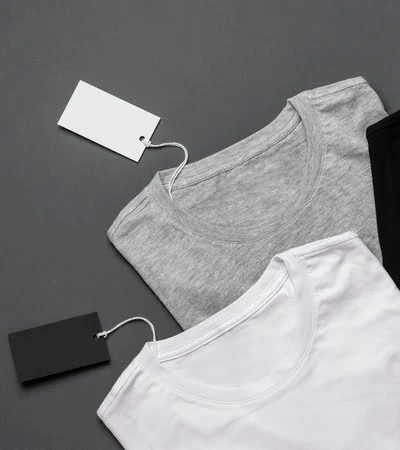
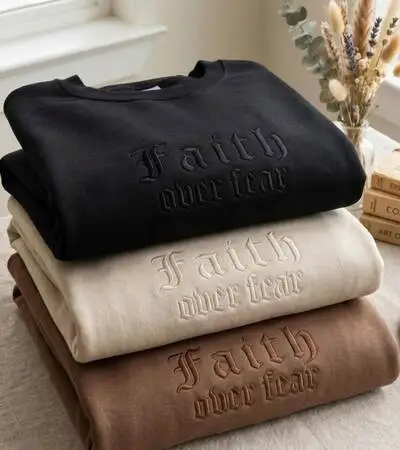
Our fashion and streetwear manufacturing includes T-shirts, polo shirts, hoodies, sweatshirts, tracksuits, shorts, varsity jackets, puffer jackets, and other garments for clothing brands and wholesale collections. Each product can be developed around its required fabric weight, silhouette, measurements, colors, branding, trims, and finishing.
Sportswear production covers custom uniforms and performance garments for sports including soccer, basketball, baseball, cricket, rugby, American football, field hockey, ice hockey, cycling, and other sporting applications. Match uniforms, training garments, teamwear, and complementary sports apparel can be developed according to the requirements of the buyer.
Our activewear manufacturing covers products such as sports bras, leggings, tank tops, fitness shorts, and other training and lifestyle garments. We also manufacture workwear, safety apparel, corporate uniforms, and other professional clothing where construction, functionality, branding, and consistent sizing are important.
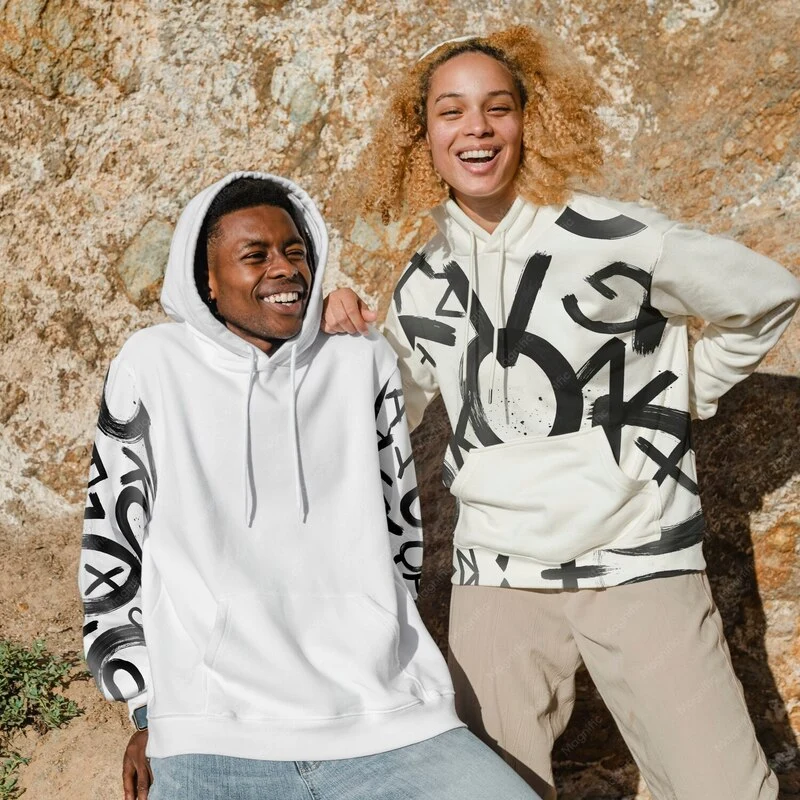
Streetwear
Sportswear
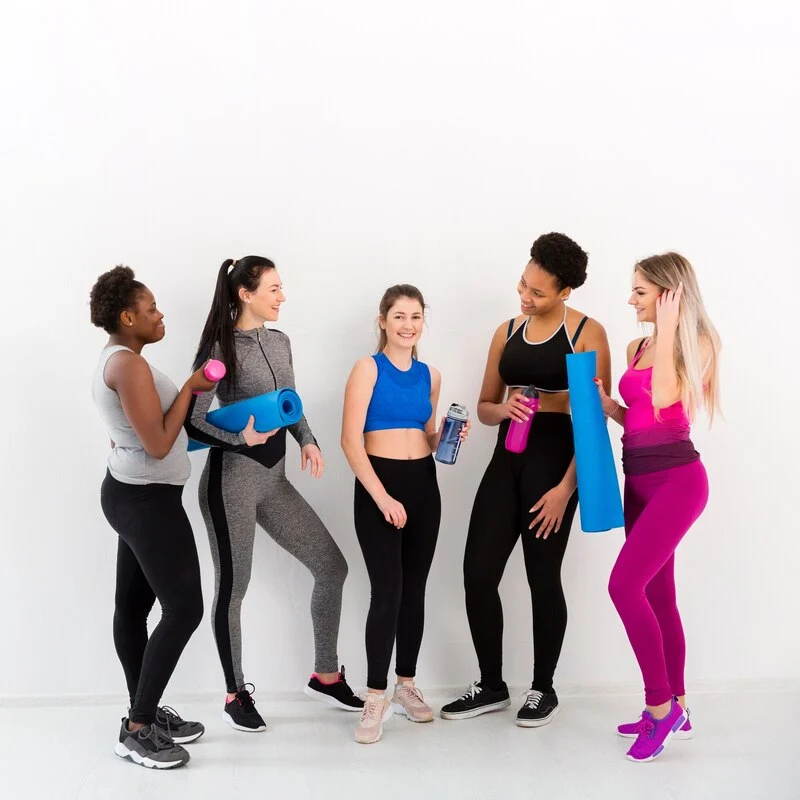
Gym Clothing
Fightwear
Custom Clothing Built Around Your Specifications
Custom clothing manufacturing begins with the product rather than with a standard factory garment. The buyer determines what the finished piece should look like, how it should fit, what fabric should be used, how it should be branded, and how it should be presented.
A specification may include fabric composition and GSM, garment measurements, size grading, fit, color references, stitching details, neckline or waistband construction, pockets, zippers, buttons, cords, artwork, printing, embroidery, labels, hang tags, and packaging requirements.

Product Pattern & Development

Custom Embroidery
Screen Printing
Sublimation
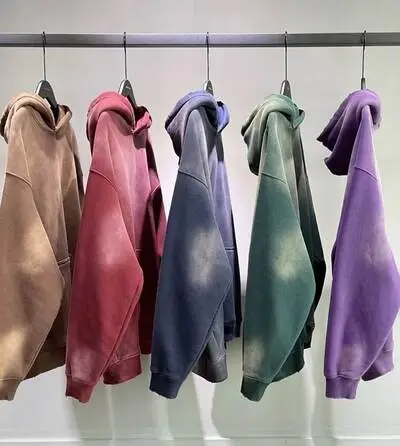
Custom Dyeing and Washing
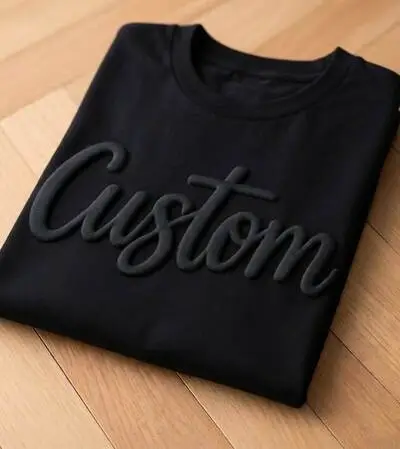
Puff printing
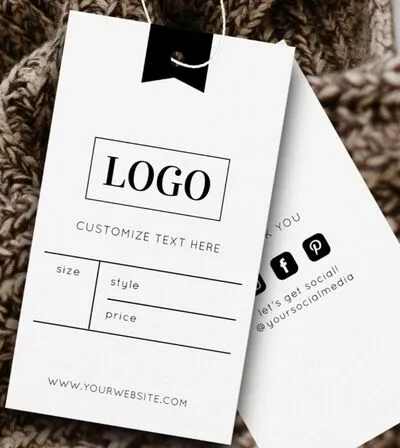
Private Label and Tags
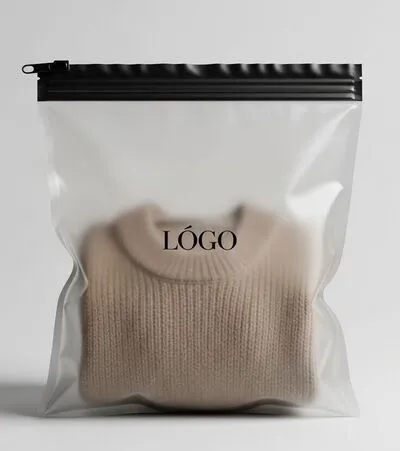
Custom Packaging
Fabric Selection and GSM
Fabric selection affects almost every aspect of a garment, including its weight, structure, comfort, drape, durability, stretch, breathability, and visual appearance. For this reason, material selection is considered alongside the garment design rather than as an isolated production decision.
GSM, meaning grams per square metre, is commonly used to describe fabric weight. Lower GSM fabrics are generally lighter, while higher GSM fabrics provide greater fabric weight and often a more substantial feel. The suitable GSM depends on the garment, fabric composition, construction, season, and intended application.
As a general manufacturing reference, lightweight T-shirts may be developed around 140–180 GSM, regular cotton T-shirts around 180–220 GSM, and heavyweight or oversized T-shirts around 220–300 GSM or higher. Hoodies and sweatshirts can commonly fall within approximately 280–450 GSM, depending on the fabric type and desired weight.
Sportswear often uses lighter performance fabrics, commonly around 120–220 GSM, while workwear and structured garments may require heavier woven materials depending on the required durability and application.
GSM alone does not determine fabric quality. Fiber composition, yarn, knit or weave structure, stretch, recovery, softness, surface finish, color, shrinkage behavior, and durability also need to be considered. Buyers can provide a specific GSM requirement, fabric sample, reference garment, or material direction for product development.
Product Development Before Bulk Manufacturing
Bulk production works best when the garment has first been properly established. Fascicle International can work from a technical pack, design drawing, reference garment, measurements, artwork, or product concept to develop the required garment before moving into larger production.
The development stage provides an opportunity to establish the garment’s construction and proportions. Fabric, GSM, measurements, fit, pattern, trims, decoration, labels, and other specifications can be reviewed according to the product.
Working From Tech Packs and Reference Samples
measurements, size grading, fabric, colors, artwork, stitching, construction, labels, and other technical requirements.
Not every buyer has a finished technical package. A physical reference garment can also communicate useful information about proportions, construction, fabric feel, and finishing. Design sketches, photographs, artwork files, measurement charts, and written specifications can be combined during development.
The objective is to turn the available product information into a clear manufacturing reference. This reduces uncertainty before production and gives the manufacturing team a defined product to work toward.
Pattern Development and Garment Engineering
Pattern development converts the intended garment design into individual components that can be cut and assembled. Measurements, proportions, fit, panels, and construction details are incorporated into the pattern according to the product requirements.
A T-shirt, hoodie, sports jersey, sports bra, pair of leggings, workwear shirt, and varsity jacket all require different approaches to pattern development. The pattern therefore needs to reflect the construction and intended use of the specific garment.
Once the pattern and specifications are established, they provide the foundation for cutting and assembly during production.
Cutting and Fabric Preparation
Before sewing begins, fabric is prepared and cut according to the approved production pattern. Accurate cutting is important because individual panels need to maintain the intended dimensions and relationship to one another.
Multiple sizes and colorways may require careful organization of cut components so that the correct pieces remain together throughout assembly. For garments featuring artwork, stripes, panels, or directional designs, cutting also needs to account for the placement requirements of the product.
The cut components then move into the sewing and assembly stage.
Sewing and Garment Assembly
Sewing transforms the individual fabric panels into the finished garment. The construction method depends on the product and can involve different seams, stitch types, hems, bindings, waistbands, collars, cuffs, pockets, panels, or other components.
During assembly, attention is given to the relationship between individual components and the intended garment measurements. Stitch consistency and seam construction are particularly important for maintaining a clean finished appearance.
Different garment categories require different construction priorities. Performance apparel may emphasize mobility and stretch, while heavyweight streetwear may require construction capable of handling heavier fabrics. Workwear may place greater emphasis on practical durability and reinforcement.
Printing, Sublimation and Embroidery
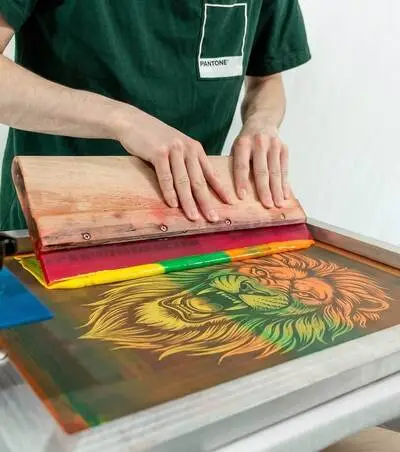
Branding and decoration are integrated according to the garment and artwork requirements. Depending on the fabric and product, customization can include screen printing, digital printing, sublimation, embroidery, patches, appliqué, and other suitable decoration methods.
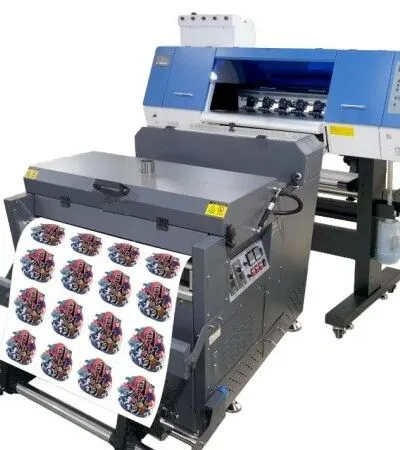
Sublimation can be particularly useful for suitable polyester-based sportswear because artwork can be incorporated across garment panels before assembly. Other garments may be better suited to screen printing, digital graphics, embroidery, or appliqué.
Artwork size, placement, color, garment material, and intended appearance are considered when determining the appropriate decoration approach.
Labels, Trims and Brand Details
The smaller components of a garment can have a significant impact on how the finished product represents a brand. Fascicle International can incorporate buyer-specified labels and trims as part of the manufacturing process.
Depending on the garment, requirements may include woven neck labels, printed labels, size labels, care labels, hang tags, patches, buttons, zippers, cords, drawstrings, and other components.
For private-label products, these details help establish a consistent identity across the collection rather than presenting the garments as generic factory products.
Quality Control Throughout Production
Quality control is connected to the entire production process. Waiting until the final stage to identify every problem can create unnecessary production issues, so garment quality is considered across development, cutting, sewing, decoration, finishing, and final inspection.
Depending on the product, checks can include fabric condition, measurements, panel dimensions, stitching, seam consistency, neckline or collar construction, cuffs, waistbands, pockets, print placement, embroidery, color consistency, labels, trims, loose threads, and overall garment appearance.
Finished products can then be reviewed against the established specifications before they move into final packing. The purpose is to maintain consistency between the approved product requirements and the finished production.
Garment Finishing
After the main construction and decoration stages are complete, garments move through finishing operations appropriate to the product. Loose threads can be removed, garments can be checked for presentation, and pressing or other finishing requirements can be completed where applicable.
Finishing is particularly important for garments intended for retail or private-label distribution because the final presentation forms part of the customer’s first impression.
The finished product should not only meet its construction requirements but also arrive in a condition suitable for the buyer’s intended market.
Streetwear and Fashion Manufacturing
Streetwear and fashion garments often depend heavily on silhouette, fabric weight, proportions, graphics, and finishing. Oversized T-shirts, heavyweight hoodies, sweatshirts, tracksuits, varsity jackets, puffer jackets, and other contemporary garments can be developed according to a brand’s own specifications.
Fabric GSM can play an important role in these garments because different weights create different levels of structure and drape. Construction details such as shoulder proportions, ribbing, hems, pockets, zippers, and branding can also be adjusted during product development.
Fascicle International works with brands that want their fashion garments manufactured as part of their own collections rather than relying solely on generic stock products.
Sportswear Manufacturing
Sportswear requires the garment to work with the demands of the activity for which it is designed. Different sports require different silhouettes, fabrics, construction methods, decoration, and branding arrangements.
Fascicle International manufactures custom sportswear for sports brands, teams, clubs, academies, organizations, and other buyers requiring customized athletic apparel.
Products can include soccer uniforms, basketball jerseys, baseball uniforms, cricket uniforms, rugby apparel, American football uniforms, field hockey apparel, ice hockey apparel, cycling garments, training wear, and other sports clothing.
Team colors, player names, numbers, sponsor graphics, logos, artwork, and other identity elements can be incorporated according to the product specification.
Activewear and Fitness Clothing
Activewear combines garment performance with contemporary apparel design. Products need to accommodate movement while also delivering the fit, appearance, and brand identity expected by the target customer.
Our activewear manufacturing capabilities include sports bras, leggings, tank tops, fitness shorts, and other garments for fitness, training, gym, running, studio, and lifestyle collections.
Fabric stretch, recovery, weight, fit, seam placement, waistband construction, and overall garment proportions can be considered during product development according to the intended application.
Workwear and Uniform Manufacturing
Workwear and uniforms have their own manufacturing requirements because the garments are generally developed for repeated professional use and consistent presentation.
Fascicle International manufactures customized workwear shirts, safety apparel, cargo trousers, corporate uniforms, and related garments according to buyer specifications.
Depending on the product, construction can be developed around practical requirements such as pockets, closures, reinforcement, fit, fabric selection, company branding, and consistent sizing
Manufacturing for Different Buyers
Fascicle International works with different types of apparel buyers because custom clothing requirements vary from business to business.
Fashion brands may require seasonal collections and private-label garments developed around their own designs. Sports organizations may require complete team kits and training apparel. Fitness companies may need coordinated activewear collections. Wholesalers and retailers may require larger quantities of customized garments for their markets, while businesses may require branded uniforms or workwear.
The manufacturing process can be adapted to the product and specifications rather than forcing every buyer into the same type of garment or production model.
Wholesale Clothing Manufacturing
Wholesale production requires attention to consistency because garments may be distributed across multiple customers, retailers, or sales channels.
Custom wholesale manufacturing allows buyers to establish their preferred product specifications before production, including garment style, fabric, GSM, sizing, colors, branding, decoration, labels, and packaging.
This provides greater control over the finished collection and allows wholesale buyers to develop products that are more closely aligned with their market rather than relying entirely on generic stock garments.
Clothing Manufacturing for International Buyers
Fascicle International serves buyers looking for custom clothing manufacturing from Pakistan. Our production approach is designed around the practical requirements of international apparel orders, from product development and sampling through manufacturing, inspection, finishing, and packing.
Shipping and export arrangements can be discussed according to the order, destination, garment category, quantity, and buyer requirements.
The objective is to provide a clear manufacturing process from the initial product specification through preparation of the completed order.
One Manufacturing Partner Across Multiple Categories
A growing apparel business may need more than one type of garment. A sportswear brand may expand from uniforms into training apparel. A fashion label may add hoodies, tracksuits, jackets, or shorts to an existing T-shirt collection. An activewear company may develop coordinated leggings, sports bras, tank tops, and fitness shorts.
Fascicle International’s broad manufacturing scope allows buyers to discuss different garment categories within the same production relationship.
This can help maintain consistency across materials, colors, branding, sizing, and overall collection direction as the product range grows.
Our Manufacturing Workflow
Product Brief
The process starts with the buyer’s product requirements. Designs, tech packs, reference samples, measurements, artwork, fabric specifications, or product concepts are reviewed to understand what needs to be manufactured.
Material and Construction Planning
Fabric, GSM, trims, garment measurements, fit, construction, decoration, and branding requirements are established according to the product.
Pattern Development
The garment specification is translated into patterns and production components appropriate for the required design and size range.
Sample Development
Where sampling is required, a physical garment is produced so that the buyer can evaluate the product before bulk manufacturing.
Corrections and Approval
Fit, measurements, fabric behavior, construction, artwork, or other product details can be reviewed and adjusted before production moves forward.
Bulk Manufacturing
Once the product specifications are established, approved requirements are transferred into bulk production through fabric preparation, cutting, sewing, decoration, finishing, and inspection.
Quality Inspection
Production and finished garments are checked according to the relevant product specifications to identify inconsistencies before packing.
Finishing and Packing
Completed garments are finished, labelled, folded, packed, and prepared according to the buyer’s requirements.
Shipment Preparation
The completed order is prepared for dispatch according to the agreed shipment and destination requirements.
Show the Manufacturing Behind the Product
For a clothing manufacturer, the production environment is an important part of the story. Buyers want to understand where and how their garments are being made.
The Fascicle International website can showcase original photographs of actual production activities, including fabric preparation, cutting, sewing, printing, embroidery, sampling, quality inspection, garment finishing, packing, and completed products.
Using genuine factory and production photography gives potential buyers a clearer view of the manufacturing operation and helps distinguish the company from websites relying entirely on generic stock images.
Why Custom Manufacturing Matters
Custom manufacturing gives brands the ability to develop garments around their own commercial and creative requirements. Instead of selecting from a fixed catalogue, the buyer can establish the product specifications before production.
That control can cover the garment’s fabric, GSM, fit, measurements, construction, color, branding, decoration, labels, trims, and packaging.
For a new brand, this can provide the foundation for creating an identifiable collection. For an established business, it can support the development of new styles and seasonal products without moving away from the brand’s established identity
Built for Product Development, Not Just Bulk Orders
A successful manufacturing relationship starts before bulk production. Product development allows the buyer and manufacturer to establish what the garment should be before a larger quantity is produced.
Sampling provides a physical reference, while the approved specifications provide a production reference for the bulk order.
This process helps connect the original product idea with the finished garment and gives the buyer greater visibility over the manufacturing stages.
Start Your Custom Clothing Manufacturing Project
Whether the requirement is a single product, a private-label collection, custom sportswear, activewear, streetwear, workwear, uniforms, or a larger wholesale apparel range, the process starts with understanding the garment that needs to be produced.
Fascicle International works with buyers from the product-development stage through sampling, manufacturing, quality control, finishing, and packing. The focus is on building the garment around the buyer’s specifications and maintaining those requirements throughout production.
Send your design, technical pack, reference garment, measurements, artwork, fabric requirements, or product idea to begin a conversation about your manufacturing project.
Custom Corset Solutions with Scalable Production and Global Support
We offer complete customization services to meet the unique needs of each client, including size grading, fabric selection, color matching, and personalized branding. Our state-of-the-art production facility is equipped to handle both small-batch orders and large-scale manufacturing with consistent quality and timely delivery. From concept development to final packaging, our dedicated team works closely with clients at every stage to ensure satisfaction and success. Whether you’re launching a new corset line or expanding an existing collection, our reliable manufacturing solutions, competitive pricing, and commitment to excellence make us the trusted partner of choice in the global fashion industry.