Sports Bra Manufacturer
A sports bra is a performance garment where fit and construction are just as important as appearance. During running, training, gym workouts, studio sessions, and other active pursuits, the garment needs to provide an appropriate level of support while allowing the wearer to move comfortably.
Fascicle International manufactures custom sports bras for activewear brands, fitness companies, retailers, wholesalers, private-label businesses, and sportswear entrepreneurs. Each product can be developed according to the buyer’s preferred design, fabric, support level, fit, branding, and construction requirements.
Sports Bras Designed Around Movement
Unlike a conventional fashion top, a sports bra has to work with the movement of the body. Stretch, recovery, neckline shape, underband construction, straps, coverage, and garment proportions all influence the finished product.
Fascicle International considers these elements during product development so the sports bra is designed as a functional garment rather than simply a smaller version of a standard top.
Complete your activewear collection with personalized Custom Leggings designed to match your style.
Choose your preferred colors, designs, and branding for a unique workout look.
Custom Sports Bra Development
Brands can develop sports bras around their own visual identity and target customers. The design may include different necklines, strap configurations, back shapes, panel arrangements, color combinations, contrast details, and branding elements.
The product specification can be created from technical drawings, measurements, reference garments, artwork, or an initial concept. This provides a foundation for pattern development and sampling.
Choosing the Right Support Construction
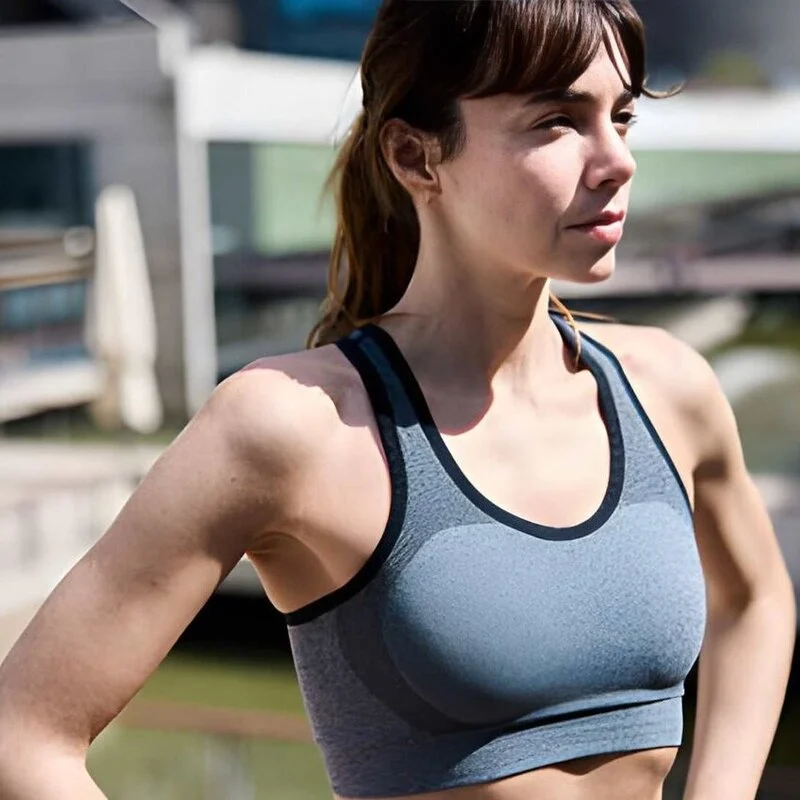
Different activities require different approaches to support. A lightweight studio garment may have different construction requirements from a sports bra intended for running or high-intensity training.
Support can be influenced by the garment’s overall structure, fabric characteristics, underband, straps, coverage, lining, and fit. These elements can be considered together when developing the product rather than relying on a single feature.
Fabric Selection for Sports Bras
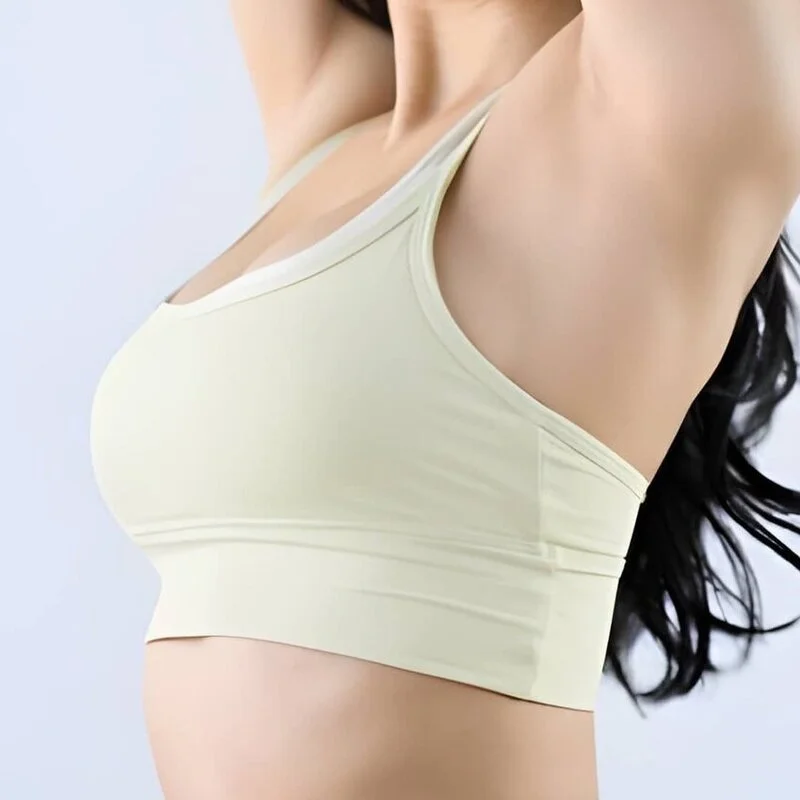
Sports bras are commonly developed with fabrics that combine stretch and recovery with a comfortable surface feel. Depending on the intended application, material selection may prioritize flexibility, moisture management, breathability, durability, opacity, or compression characteristics.
Fascicle International can work with the buyer’s preferred material specifications and evaluate the fabric as part of the complete garment-development process.
Four-Way Stretch and Recovery
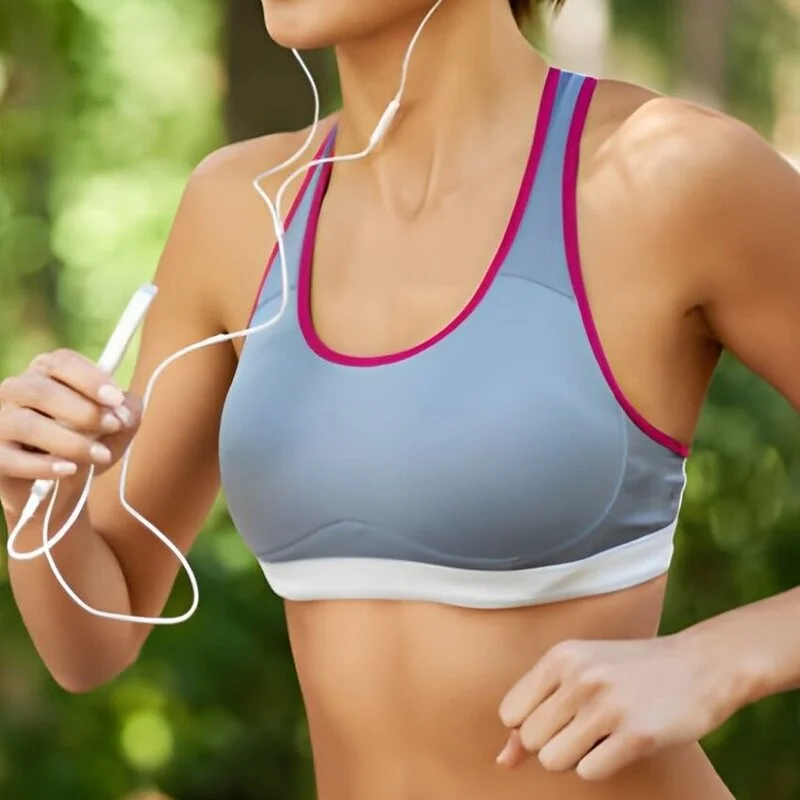
Stretch performance can have a significant impact on the way a sports bra fits and moves. A suitable fabric needs to stretch with the body while maintaining its intended shape after movement.
Fabric recovery is therefore considered alongside the pattern and construction. The relationship between material stretch and garment dimensions helps determine how the finished sports bra sits on the wearer.
Pair your sports bras with premium Custom Fitness Shorts for a coordinated workout look.
Choose custom designs that suit your fitness brand, gym, or sports team.
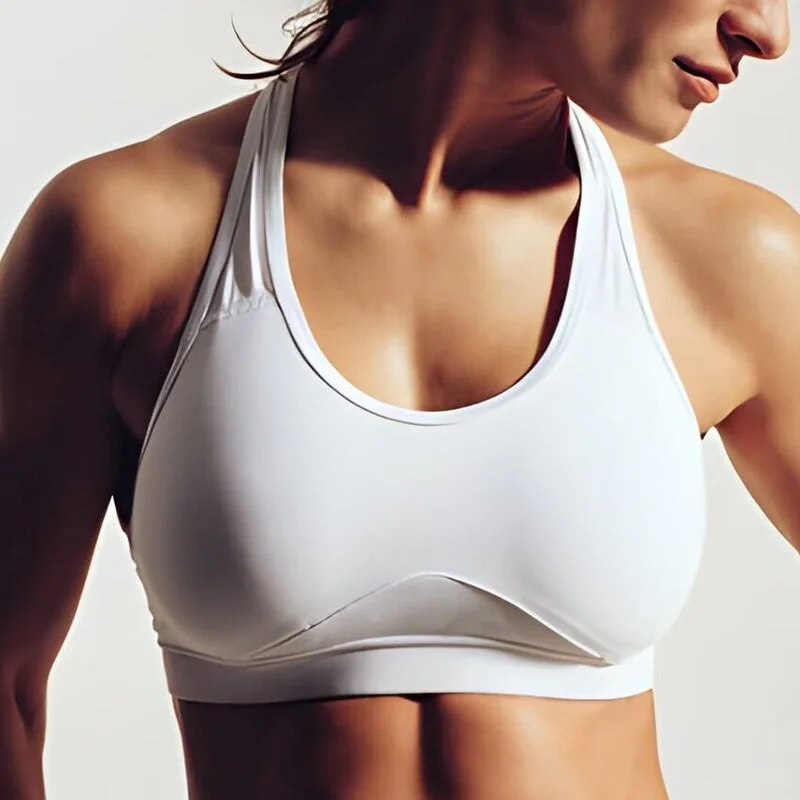
Underband Construction
The underband provides an important structural element in many sports bra designs. Its width, elasticity, attachment, and overall construction can influence both support and comfort.
During development, the underband can be specified according to the desired garment design and intended activity. A well-integrated underband should complement the rest of the garment rather than feel like an independent component.
Strap and Back Design
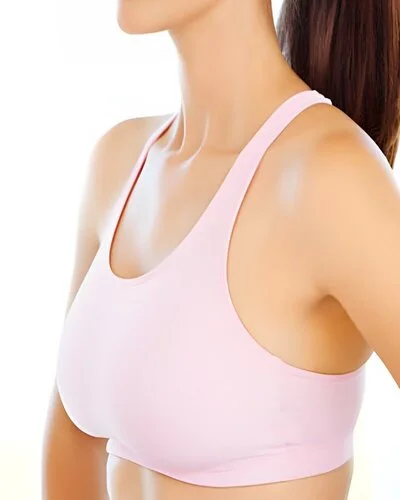
Straps influence both the appearance and function of a sports bra. Different designs may use traditional shoulder straps, wider straps, racerback configurations, cross-back structures, or other arrangements.
The back construction can also contribute to mobility and ventilation while giving the product a distinctive appearance. Fascicle International can develop these elements according to the approved design direction.
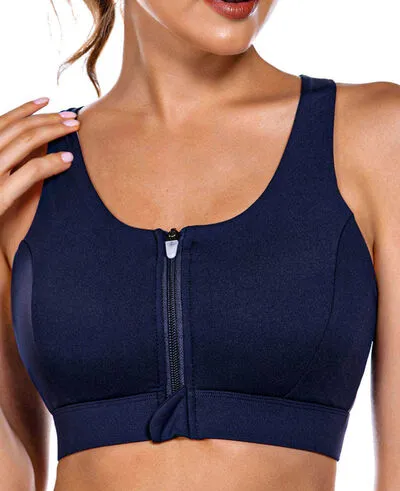
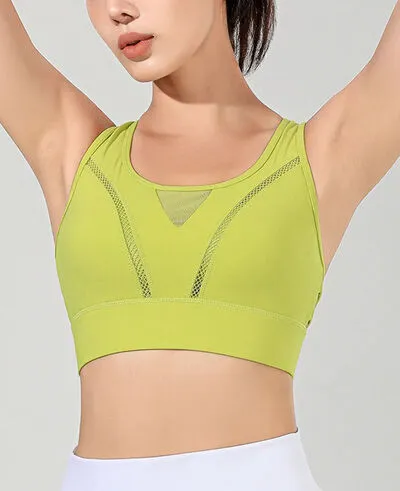
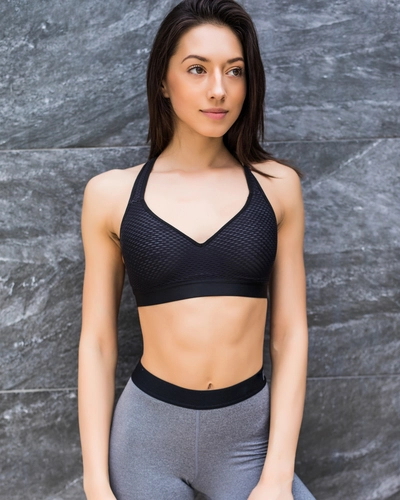
Removable Pads and Lining Options
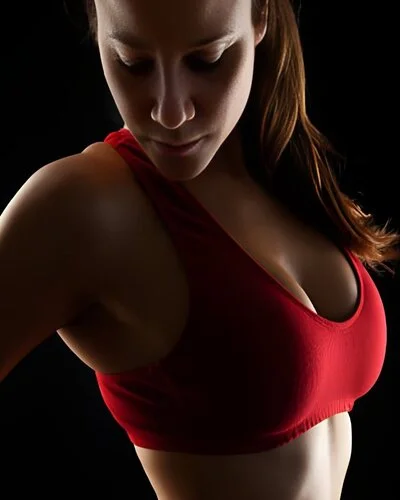
Some sports bra designs incorporate removable cups or internal lining for additional coverage and structure. Others use a simpler construction depending on the intended product category. These internal components can be considered during product development along with fabric thickness, opacity, garment shape, and intended use. The final configuration depends on the buyer's product requirements.
Compression and Body-Fitting Designs
Close-fitting sports bras can be developed with different levels of compression and support depending on the product concept. The balance between fabric stretch, pattern dimensions, garment coverage, and construction determines how the product fits the body. This makes sampling particularly valuable when developing a new compression-oriented sports bra.
Low, Medium and High-Activity Sports Bras
A sportswear collection may require multiple bra designs for different activities. Low-impact styles can focus on lightweight comfort and flexibility, while medium- and high-impact products may require more structured support. Rather than using one construction across an entire collection, each product can be developed according to its intended activity and customer expectations.
Pattern Development and Fit Engineering
A sports bra's performance depends heavily on its pattern. Small differences in neckline depth, armhole shape, side panels, back width, and underband dimensions can affect the overall fit. Fascicle International translates approved measurements and design requirements into production patterns. Sampling can then be used to evaluate the relationship between the pattern, fabric, and intended fit before bulk production.
Private Label Sports Bra Manufacturer in Pakistan
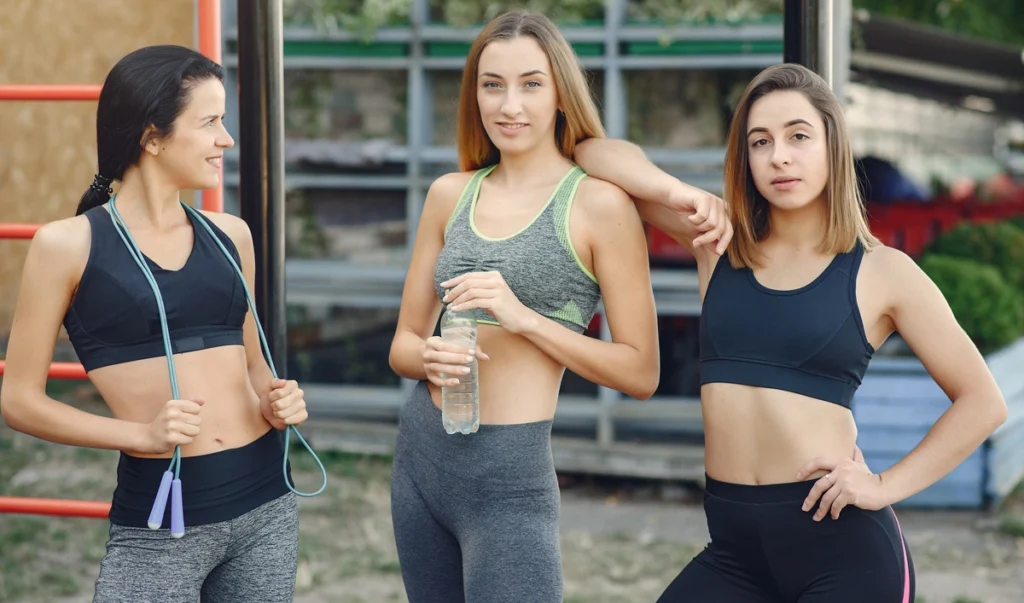
Fascicle International manufactures custom activewear from Pakistan for international brands, retailers, wholesalers, and private-label businesses.
The production process can cover product development, fabric preparation, pattern making, cutting, sewing, decoration, quality inspection, finishing, and packing. Buyers can provide their own designs, technical specifications, reference garments, artwork, or product concepts.